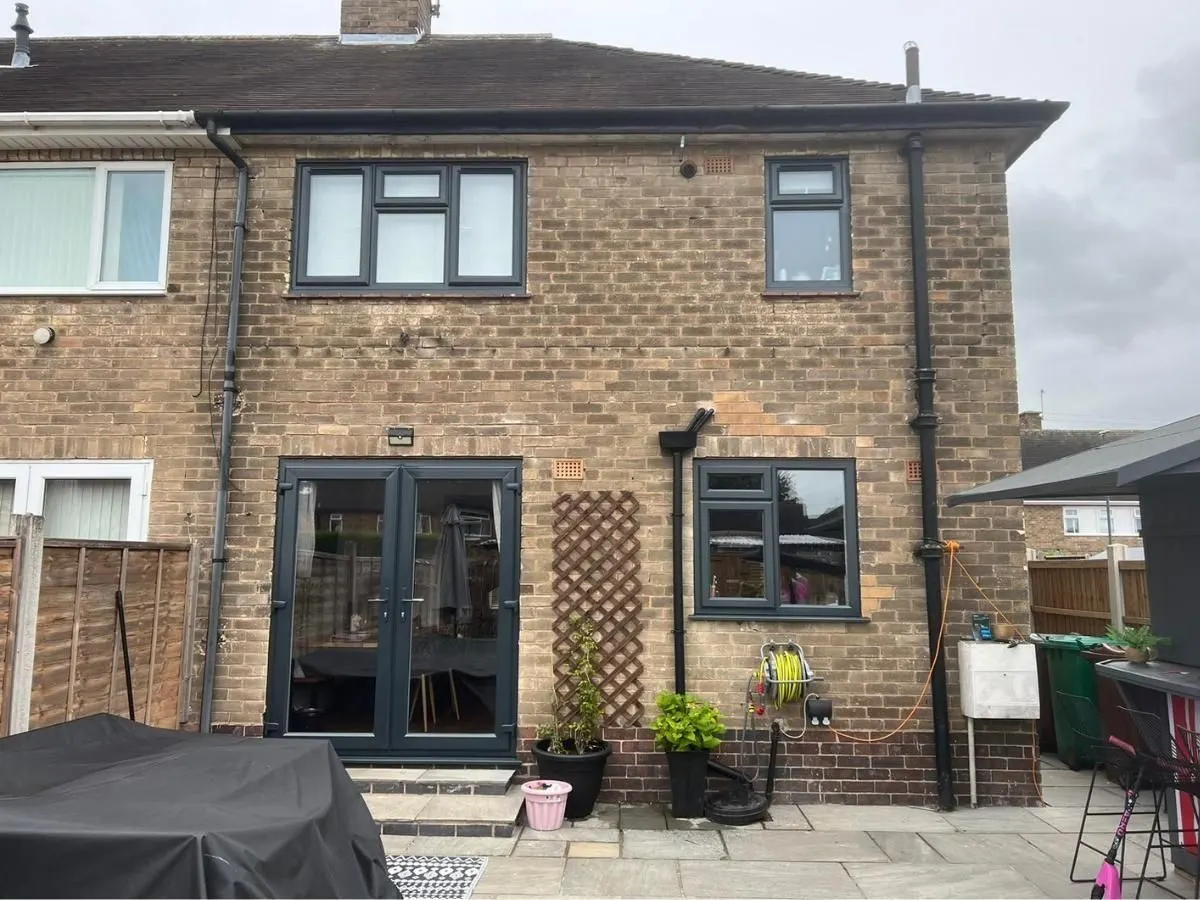

Yes, for most homes uPVC spraying is worth it, as long as the windows and doors themselves are sound. A professional respray changes the colour of frames that are structurally fine for a fraction of the cost of replacing them. It is not the right answer for every house, though, and we turn down jobs where spraying would only paint over a problem. This guide sets out both sides so you can decide for yourself.
What uPVC spraying actually does
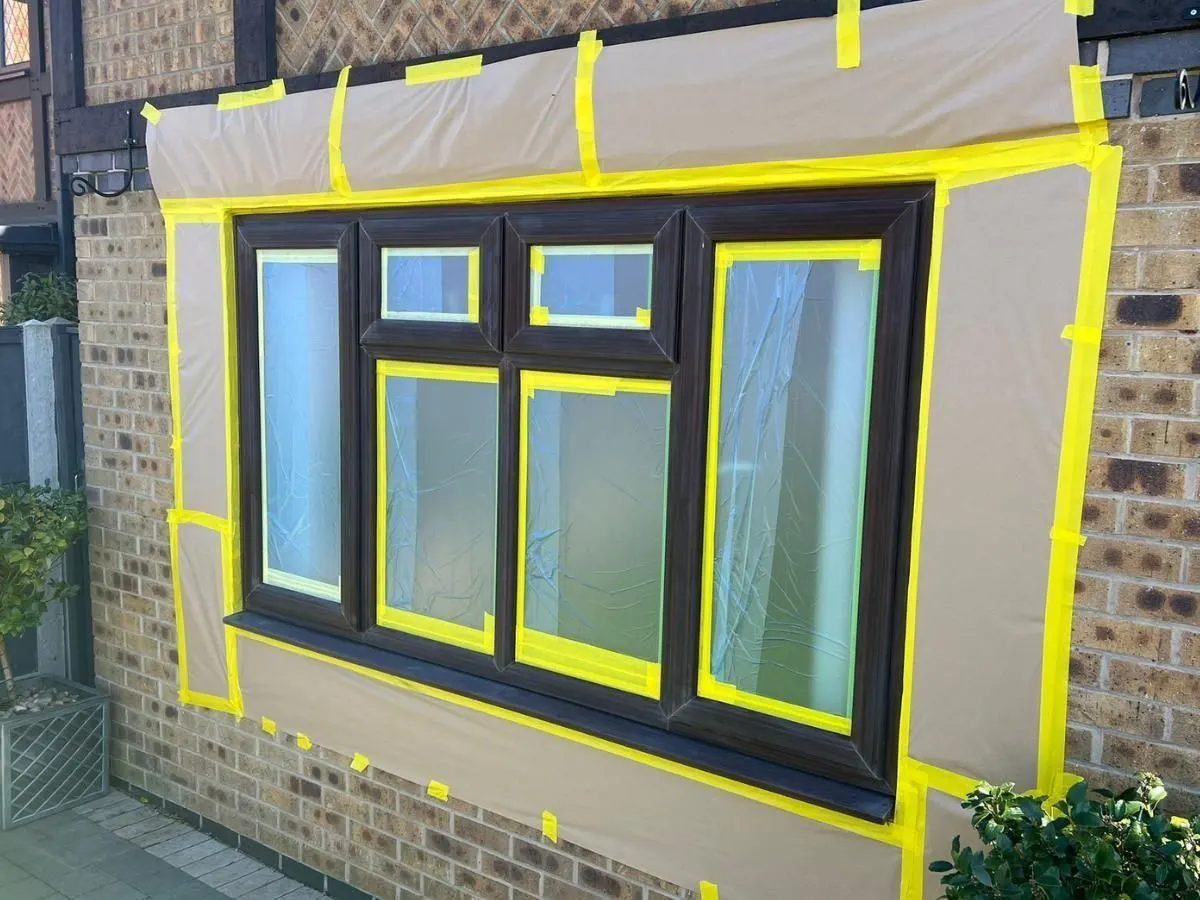
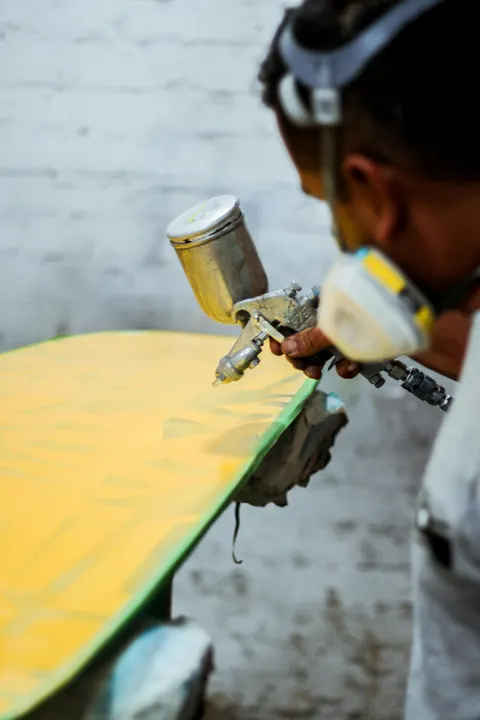
uPVC spraying is a colour change and a refresh. The frames are cleaned and degreased, lightly abraded so the coating has something to grip, primed with an adhesion primer made for plastics, then sprayed with a flexible two-part coating designed to move with uPVC as it expands and contracts. Glass, seals, handles and brickwork are masked throughout.
What it does not do is change how the window works. The glass, the seals, the hinges and the locks stay exactly as they are. That single point decides most of whether spraying is worth it for you.
When spraying is worth it
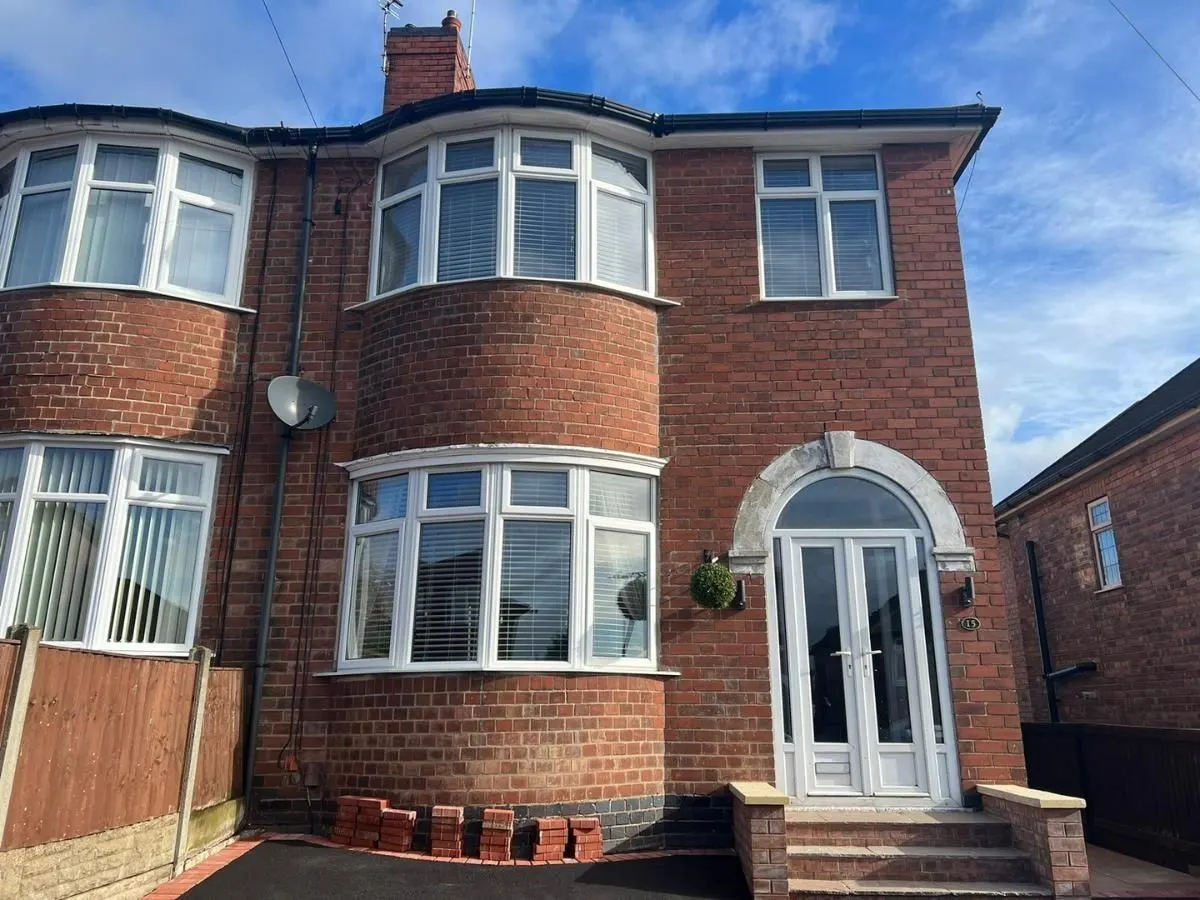
- The frames are sound but the colour is wrong. Yellowed white, faded brown or dated woodgrain uPVC that still opens, closes and seals properly is the ideal candidate.
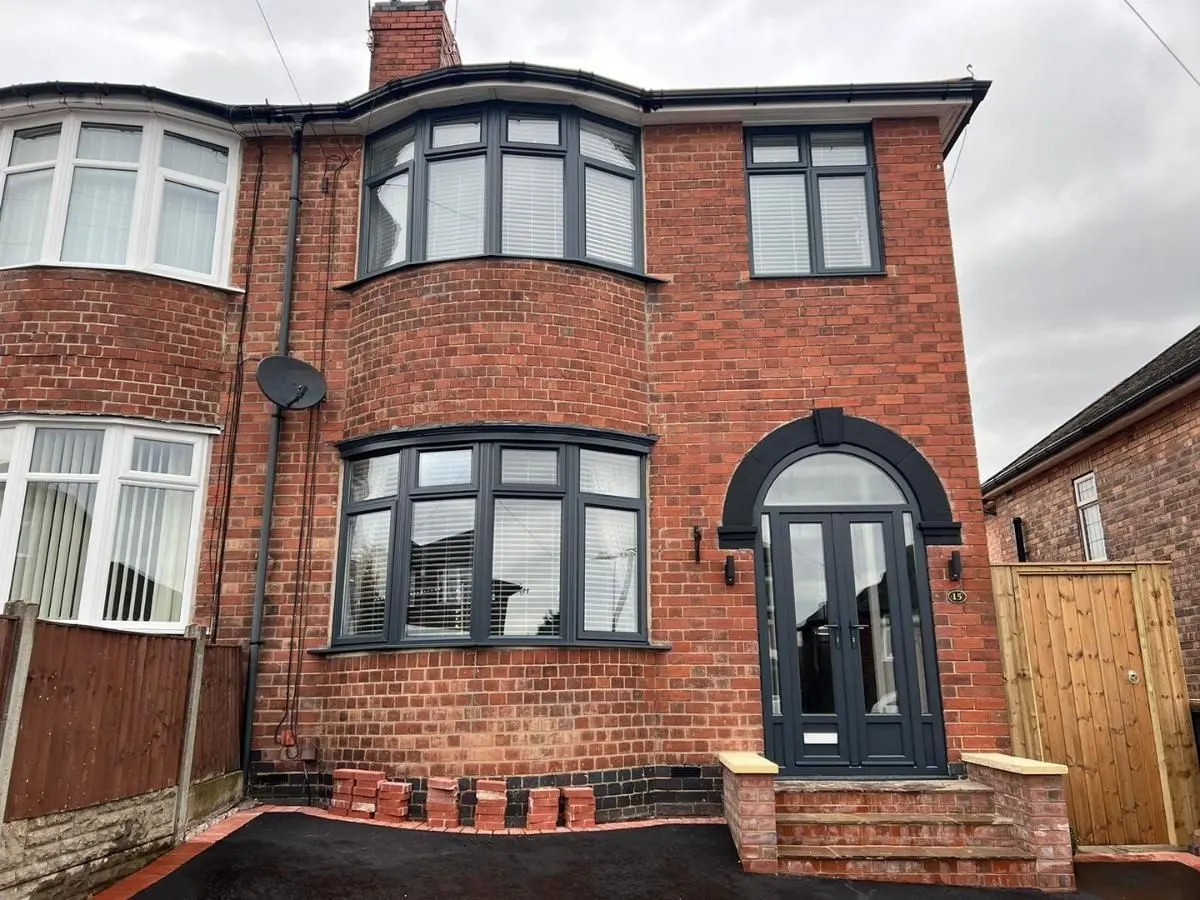
- You want a modern colour without the cost of new windows. Anthracite grey, black, sage green and chartwell green are the most requested changes. See our colour range for RAL and Farrow & Ball options.
- You are selling or letting. A respray is one of the quickest ways to lift kerb appeal before photos are taken, and it is done in days rather than weeks.
- Your doors, garage door and fascias need to match. Spraying lets you change everything to one colour at once, including items that would be expensive or awkward to replace together.
- You want to avoid the upheaval of replacement. No frames come out, no plaster is disturbed and no rooms are left open to the weather.
When replacement is the better call
This is the part most spraying companies leave out. If any of these apply, spraying alone will not solve your problem:
- Misted or cloudy double glazing. Condensation between the panes means the sealed unit has failed. Spraying the frame will not fix it. The sealed units can often be replaced on their own, though, so this does not automatically mean new windows.
- Warped, dropped or badly draughty frames. If sashes no longer close properly, the issue is mechanical or structural. New hinges and seals can sometimes help; a badly distorted frame needs replacing.
- Very old, single-glazed or poorly insulated units. If heat loss is the main complaint, new energy-efficient windows will do something a respray cannot.
- Cracked or damaged frames. Minor chips and scuffs can be filled before spraying; split profiles cannot.
When we survey a job and see these problems, we tell you. Spraying a window that needs replacing is money wasted, and it is our guarantee on the line.
How much does it cost compared with replacement?
Professional uPVC spraying costs up to 80% less than replacing the same windows and doors. As a guide, our prices start from £75 per window, £160 for a front door, £250 for a garage door and £450 for a conservatory. Our full uPVC spraying price guide breaks this down by surface, along with what pushes a price up or down.
The saving grows with the size of the job. Replacing a whole house of windows and doors is a major outlay; spraying the same house usually costs a fraction of that and is finished in a couple of days.
How long does sprayed uPVC last?
A properly prepared and professionally sprayed finish is built to last for many years. Every job we do comes with a 10-year guarantee, on residential and commercial work alike. The finish lasts because of the preparation and the coating system, which is also why cheap DIY attempts often peel. If you are tempted to try it yourself, our guide to spraying uPVC windows yourself gives an honest picture of where DIY works and where it does not.
Looking after the finish is simple, but there are a few products you should never use on it. Our guide to cleaning and caring for sprayed uPVC covers what to do and what to avoid.
Is uPVC spraying any good? Common concerns
Will the paint peel?
Peeling almost always comes down to poor preparation or the wrong paint. Degreasing, abrading and an adhesion primer made for plastics are what make the coating bond. Skip them and it will fail; do them properly and it will not.
Will the windows still open properly?
Yes. Hinges, handles, seals and locks are masked, and opening edges are sprayed so the sash still closes against its seals as it should.
Do I need permission to change the colour?
Most houses do not. Flats, leasehold properties, listed buildings and homes in some conservation areas may need permission from the freeholder or the council. Our uPVC window spraying page for Nottingham covers this in more detail.
Can dark brown or woodgrain uPVC be sprayed?
Yes. Brown and woodgrain frames are among the most common jobs we do, usually changed to grey, black or white.
The verdict
If your windows and doors work well and you simply want them to look new, or a different colour, uPVC spraying is very good value. If they are failing mechanically or thermally, fix or replace those parts first, and spray what is left if you still want the colour change.
Not sure which applies to your home? Send us a few photos and we will give you an honest opinion. Find out more about uPVC window spraying and front door spraying, or ask for a free, no-obligation quote. You can also call us on 0115 6478811.